The air has that crisp, ‘tucked-in-for-the-night’ quality, hasn’t it? The days are noticeably drawing in, and soon enough, we’ll do that biannual, baffling British ritual of the clocks going back (24th!).
While I adore a good autumnal ramble—especially with a flask of something hot—I’m always a little wistful knowing we’re now firmly on the slow, dark slide toward Yule. It’s easy for me to feel the motivation draining away with the sunlight.

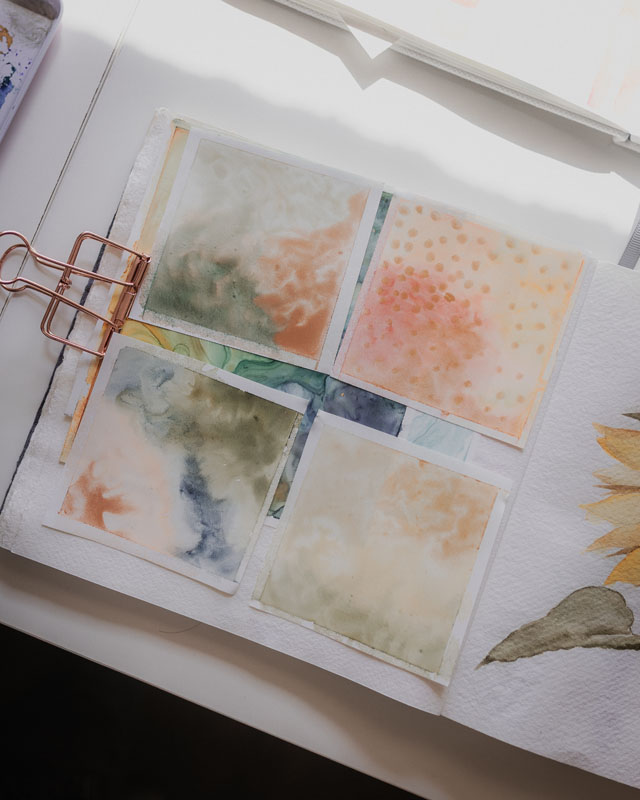
But instead of letting the encroaching darkness turn me into a slug, I’m leaning into a different kind of focus. I’m currently neck-deep in a new print project for next year! I’d love to share it but I can’t just yet. Plus, in the background, a little shop is being quietly developed for next year.
Think limited highly-collectible things—little bits of art to brighten your walls and shelves. Knowing that a little shop of delights will be opening up once the spring light returns has helped. It’s all about planning for that eventual bloom, right?
Circles: From Art to Observation
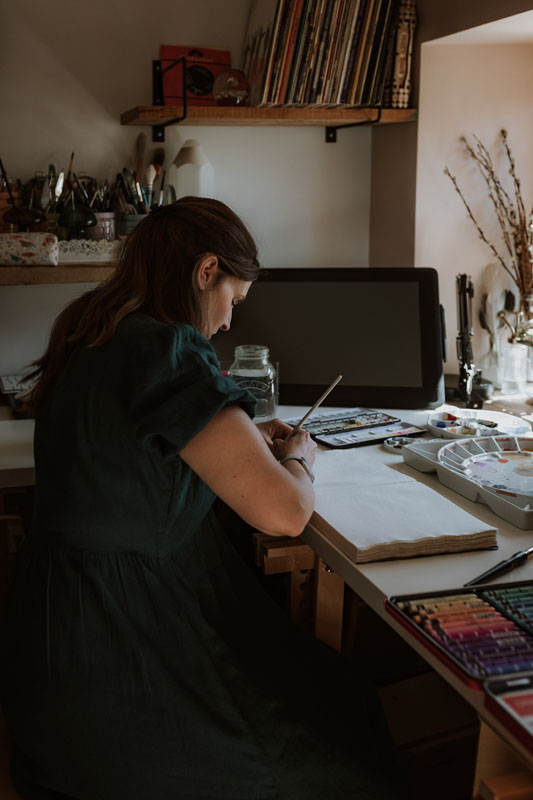
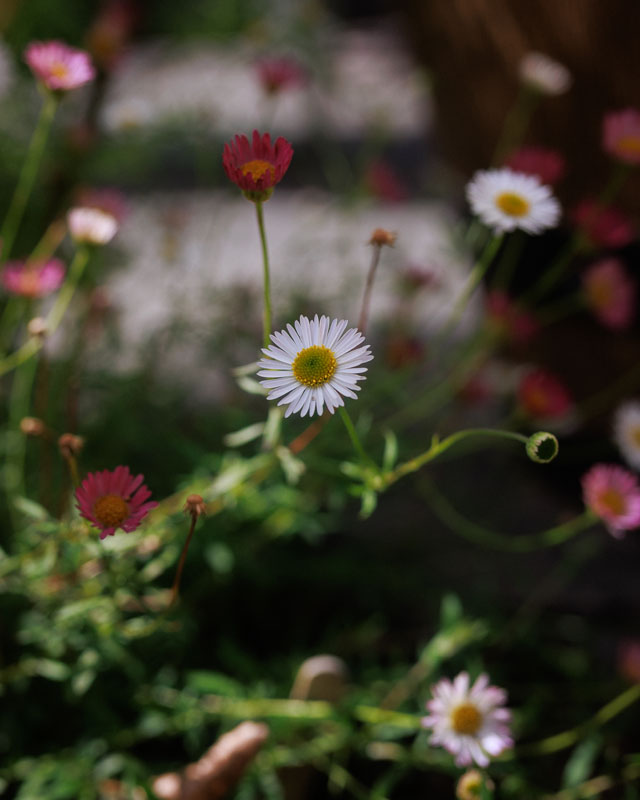
Speaking of planning and cycles, lately, my art practice has had me fixated on circles. Think about it: they’re everywhere. From the ancient symbolism of the mandala to the way a tree trunk’s rings record years of history. Our art and nature books are full of them, but so is our actual world—the sun, the moon, the eye of a flower, the swirl of a seashell, the rhythm of the tides. The circle is nature’s most perfect, efficient shape, representing eternity and repetition.
But it’s not just a pretty shape. The circle is a constant, visible reminder that stability is cyclical. And this is where my notebook has been getting especially messy with scribbles lately, thanks to a beautiful concept called phenology
The Humble Magic of Phenology
Phenology is just a fancy name for tracking nature’s cycles: the who, when and the how. Think of it as keeping a detailed diary of seasonal events. When did the first robin sing? When did the elderberries ripen? When did that oak tree in the park finally drop its last leaf?
Why is tracking this stuff so useful? Because by observing these tiny, local, seasonal shifts, you’re not just filling a page—you’re getting to know your local area or ‘patch’ better than ever. You become intimately aware of your environment’s pulse. This hyper-local tracking is important because it’s a brilliant form of citizen science. Collectively, these small observations help us understand the delicate timings of nature.
But, honestly, for me—and maybe for you too, especially as we head into those long winter months—it’s primarily about mindfulness. It’s an antidote to the hurry and noise of the world. It’s an easy way to force yourself out of the house, even when it’s grey, and focus on the tiny things that are still happening. It’s about seeking out the signs of life, even in the seeming stillness of winter.
What Cycles Can You Track?
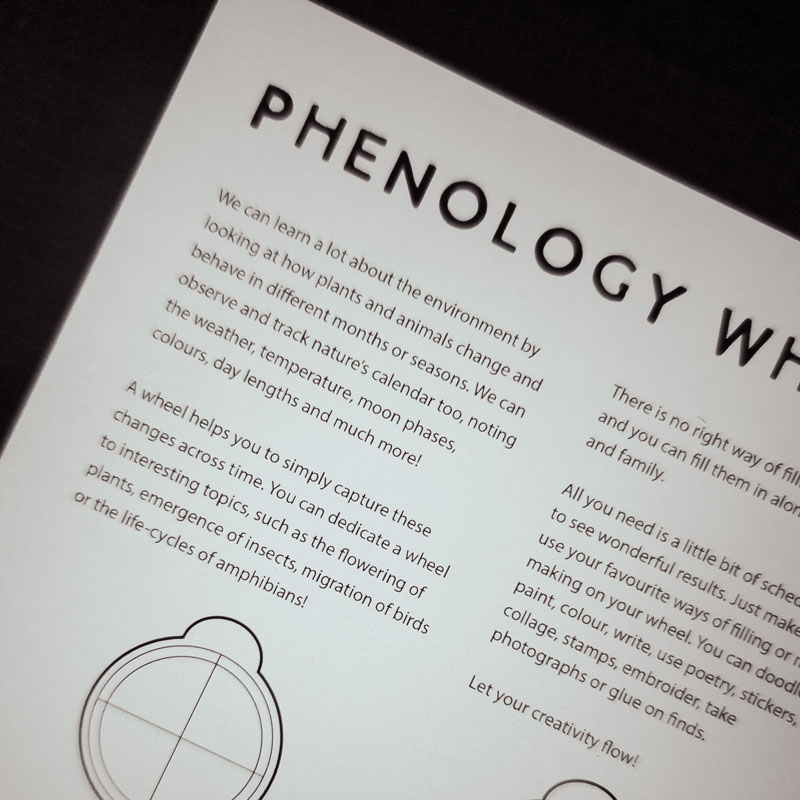
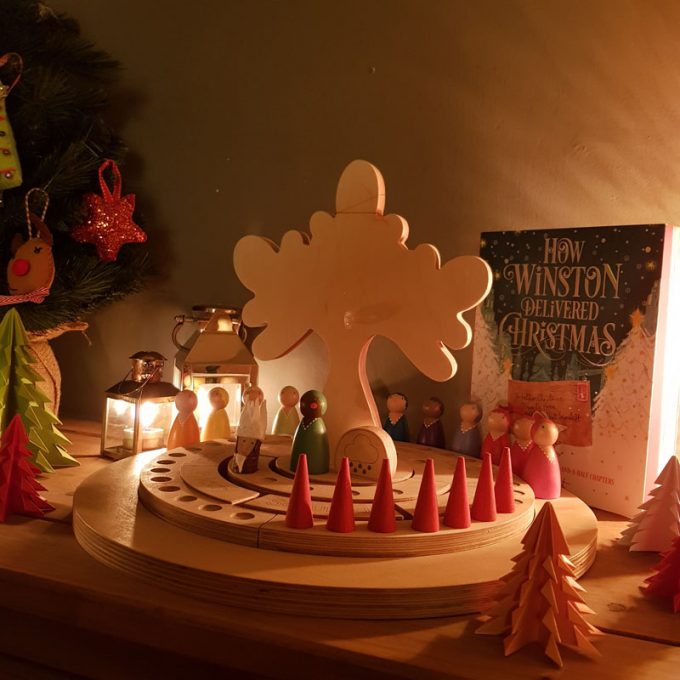
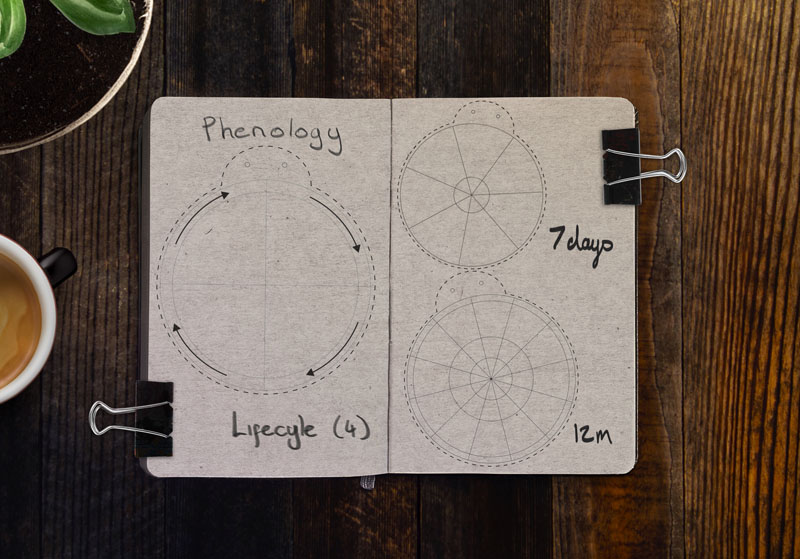
The brilliant thing about phenology is you can track anything you observe regularly. A simple, visual way to do this is using a phenology wheel. It’s basically a circular journal page divided into the days or months of the year, allowing you to track events visually around the circle.
Here’s a little list of things you might track on your own wheel. Pick just one or two to start—don’t overcomplicate it!
- Flora Firsts: When do your local snowdrops emerge? When does a specific tree begin to bud?
- Fungal Finds: The first appearance of specific toadstools or mushrooms after a rain.
- Feathered Friends: The date you see the first arriving or departing migratory bird (like swallows or fieldfares).
- Bug Business: When do you spot the first bumblebee or butterfly of the year?
- Weather Weirdness: Record notable weather events, like the first frost or the first thunderstorm.
- Plant Progress: The dates your garden tomatoes ripen, or the last apple falls from the tree.
Seriously, if all you track is the changing colour of the sky at sunset, you’re doing it right. This isn’t a competitive sport; it’s a gentle habit designed to help you appreciate the passing seasons and to make the dark months ahead a little less intimidating. Focusing on what’s happening helps you get through the long wait for the next spring.
Join the Cycle! Your Free Phenology Wheel Printable
I truly believe that the best way to get through this coming time of short days is by finding small, beautiful anchors. So, in the spirit of making things (like my upcoming shop items!), I’ve created a little something for you too.
To get you started on your own journey of observation, I’m offering a free downloadable Phenology Wheel Printable.
I’ve made a few versions: Just click the link below, download the PDF, print it out, and start colouring, sketching, or noting down your observations.
Happy tracking! I’d love to see what you observe and what your completed wheels look like.