Hello hello! Can you believe we’re already in Week 24 of 2025??! The year just seems to be zipping by, much like a bumblebee buzzing from a sweet pea to… well, another sweet pea!

Outside is an absolute hive of activity, right up to my back door – which currently is a riot of colour and fragrance thanks to my sweet pea flowers (Lathyrus odoratus). They’ve really taken off finally, clambering up their supports (and each other) with an enthusiasm that puts my own to shame most mornings. If you lean in close enough, you get that glorious, unmistakable perfume – pure summer in a scent.
I’ve been at my desk drawing on and off for the first half of the week. To capitalise on the sweet pea glory, I’ve been leaving open the back door. The flies (who are incredibly bold at the best of times) have been popping in for a look about. A couple of bumblebees rambled in too, but are thankfully much better at rambling back out towards the light. Speaking of seeing the light, the Full Strawberry Moon graced me with its presence on June 11th. Named because it’s when the wild strawberries typically ripen and are ready for harvesting – certainly have been in my garden!
It always feels like a little moment of wonder. That big, round orb shining down, reminding me of the rhythm of the seasons as we enter the half way mark of the year. Summer solstice isn’t far away and the long nights of light are here.. Astrologically, its a wonderful time for illumination and bringing things to light – which, coincidentally, has been quite a theme for me this week, as you’ll soon see!
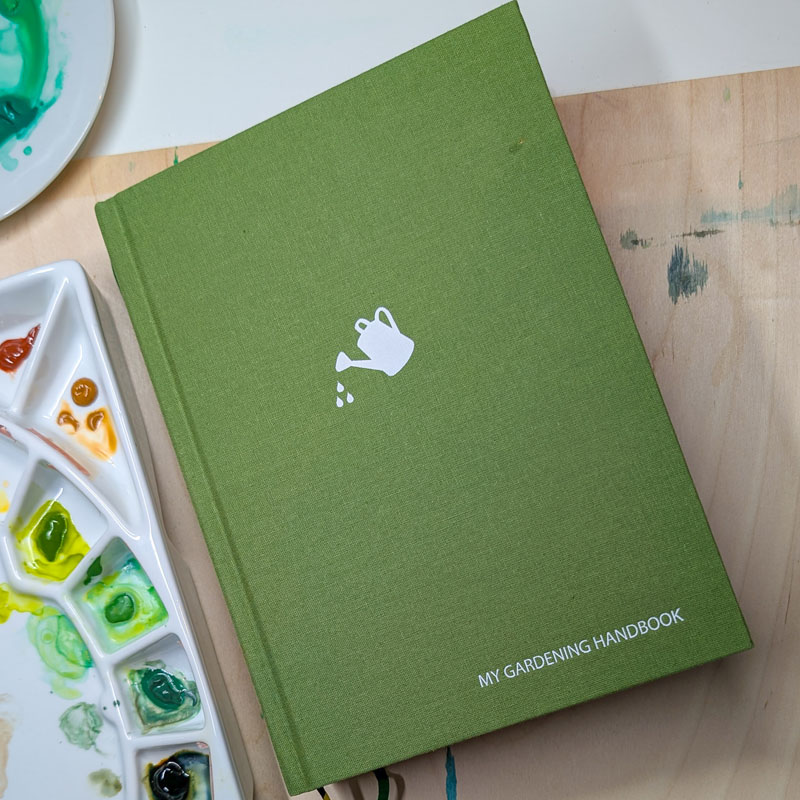
On my desk amongst the paints and mess, has been my gardening journal. It’s probably clear by now how much I love a good journal (and planner!), and my gardening journal is no exception. It’s a sturdy green hardback, stained, doodled in, and it’s where all my grand (and sometimes not-so-grand) gardening plans and plant obsessions get documented. I’m trying to document how I’m making the space much more wildlife friendly; the things that are working well and a record of how much love gets poured in. Gardens are incredibly important, especially now.
Private gardens cover an estimated 432,900 hectares in the UK. It is a huge potential network for biodiversity, providing vital stepping stones and habitats for everything from hedgehogs to pollinators. Every single garden, no matter how small, can make a positive impact.
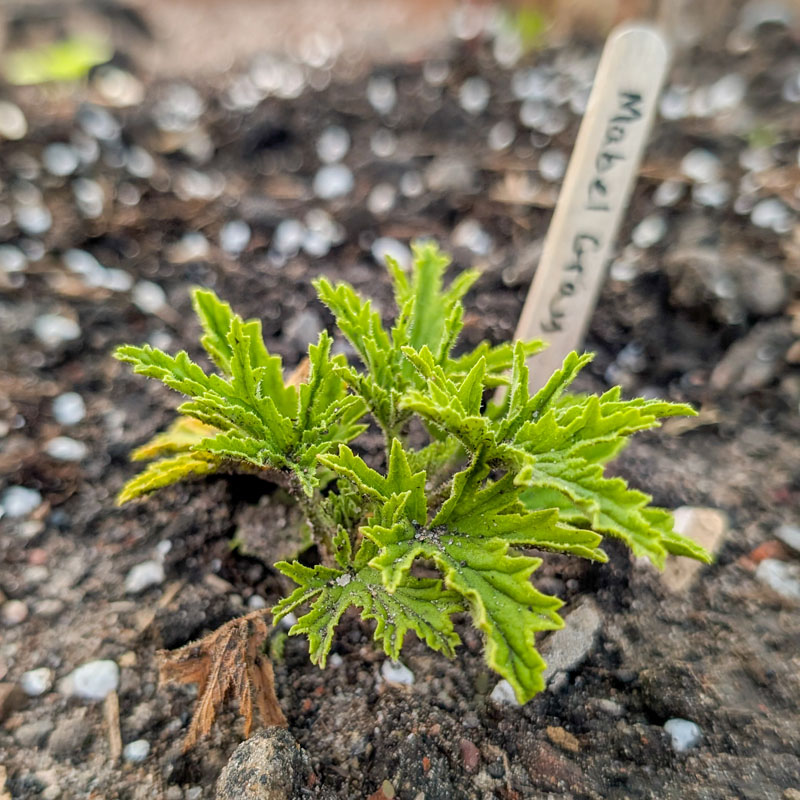
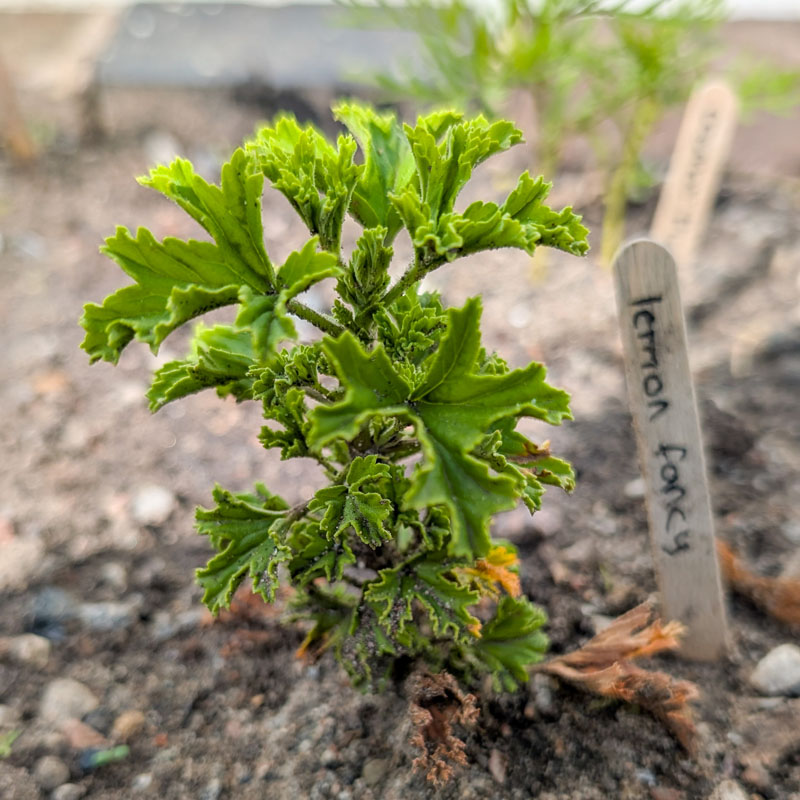
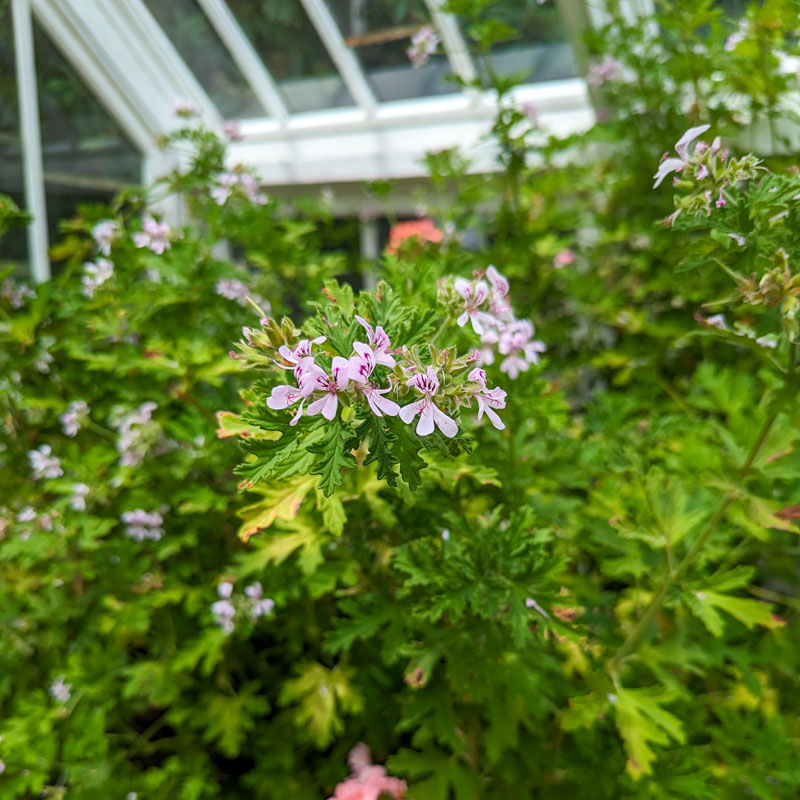
One little side mission that I’ve started to focus on has been my burgeoning selection of scented pelargoniums (Pelargonium species and hybrids) and writing out what I’ve come to know about them. I’ve started a dedicated flower bed for the cuttings, and honestly, the sheer variety of scents is astounding. From the classic ‘Attar of Roses’ (which truly smells like a Fry’s Turkish Delight) to the bright ‘Lemon Fancy’ (think lemon cheesecake) and the wonderfully invigorating ‘Prince of Orange’ (a soft sweet Orange to me).
Each one is a little aromatherapy session waiting to happen. The ones that cause the most intriguing whiffs are ‘Chocolate Peppermint’ and ‘Cola’ (definitely a Ginger!). You just need to give the leaves a little rub, and your hands smell divine. I’ve been diligently documenting where I’ve put them, so I can track each type of variation, as they have subtle differences in stature, leaf shape, and flower structure (and colour too). I don’t want to mix them up when it comes to overwintering them!
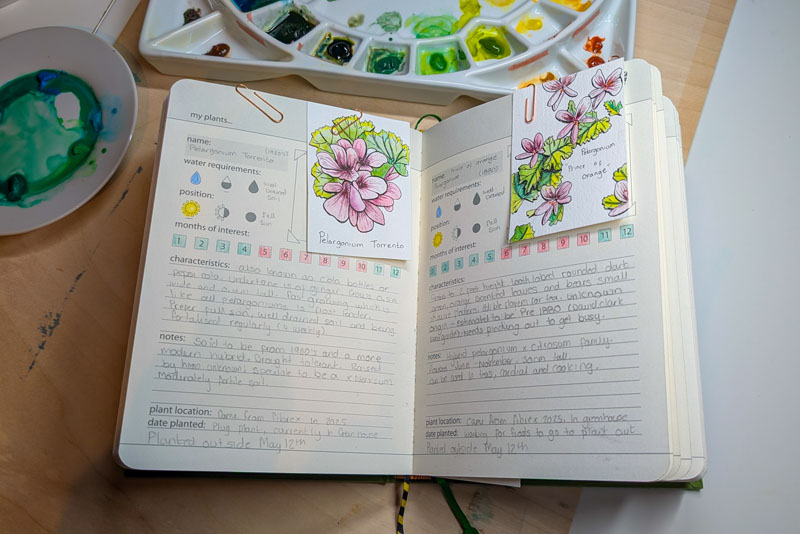
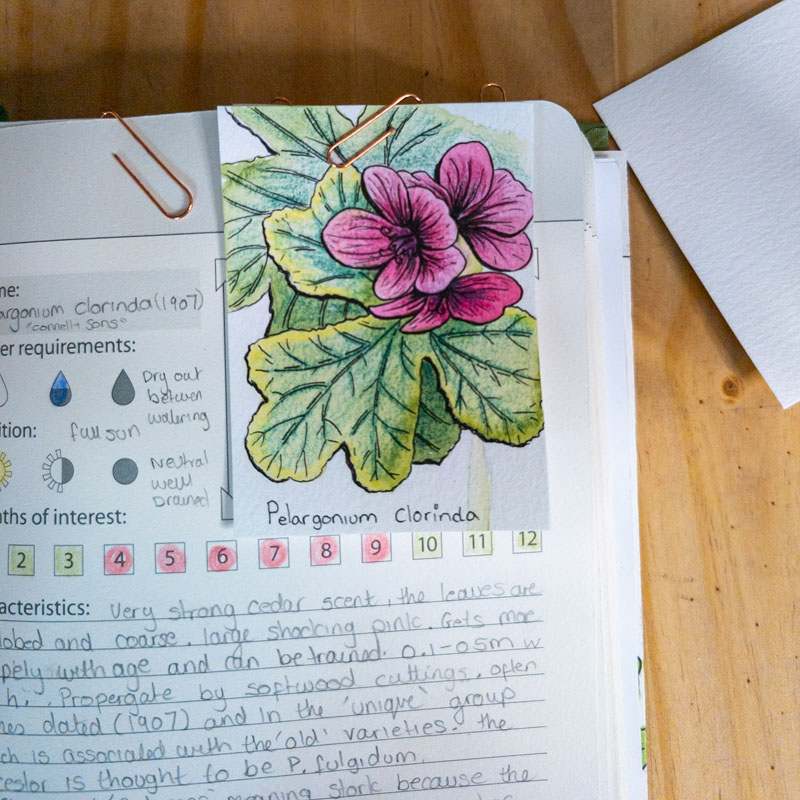
I’ve been trying to write up what I’ve gathered about the history of these pelargoniums too, scribbling in notes where there is space. It seems that pelargoniums have been cultivated over centuries, like 400 years at this point. Some of these species must have been collected and transported in the early era of the slave trade, because the timeline seems to marry up with how the seeds and plants can be traced back to South Africa.
I’ve not read anything definitive, all I know for sure is the pelargonium cuttings that I now have are direct descendants of the variations that were particularly popular in Victorian times. They would have graced conservatories, orangeries, and parlours with their scented leaves. Sadly, many of the gardeners who created these variants were lost at the start of the First World War, with the fashion for them passing in the subsequent years.
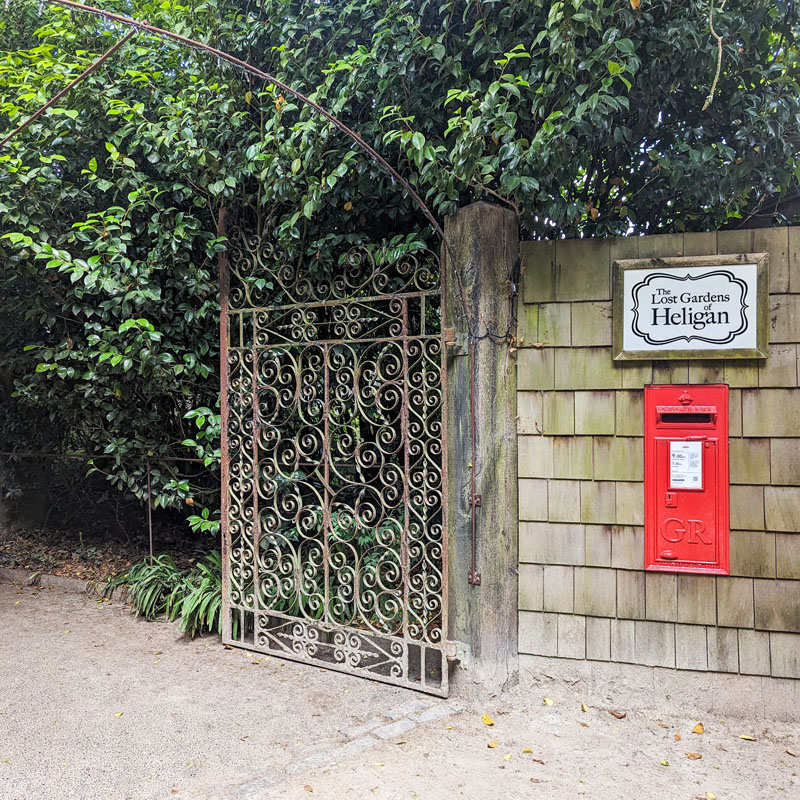
All this for a seemingly unassuming plant I first walked past in 2022, whilst going through a greenhouse at The Lost Gardens of Heligan in Cornwall. There was this strong smell and I circled back a couple of times to discover it was actually coming from an unassuming small plant called the ‘Attar of Roses’.

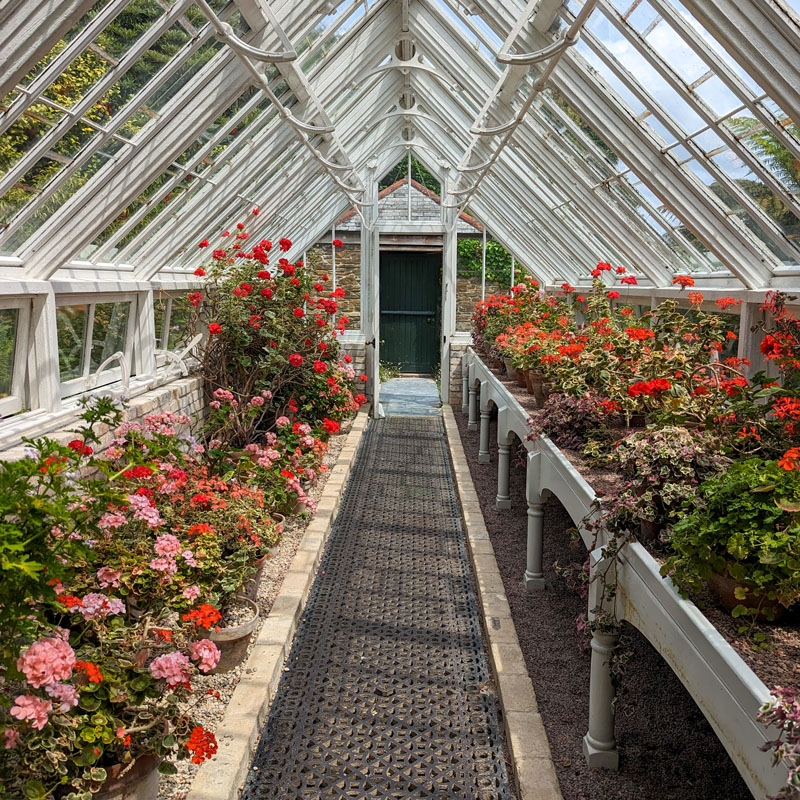
I think I was completely hooked after that experience, because it seemed like a fever dream that a plant could smell like a Fry’s Turkish Delight!
Except now when I learn about a plant, I’m asking different questions. Robin Wall Kimmerer’s Braiding Sweetgrass: Indigenous Wisdom, Scientific Knowledge and the Teachings of Plants, and her companion book, Gathering Moss: A Natural and Cultural History of Mosses, have really changed how I look at plants (and nature!) and to be more mindful of their origin stories here in Britain.
Shifting gears slightly from Turkish Delight, I had a very exciting delivery mid-week, that in turn got me to put my drawing pencil down.
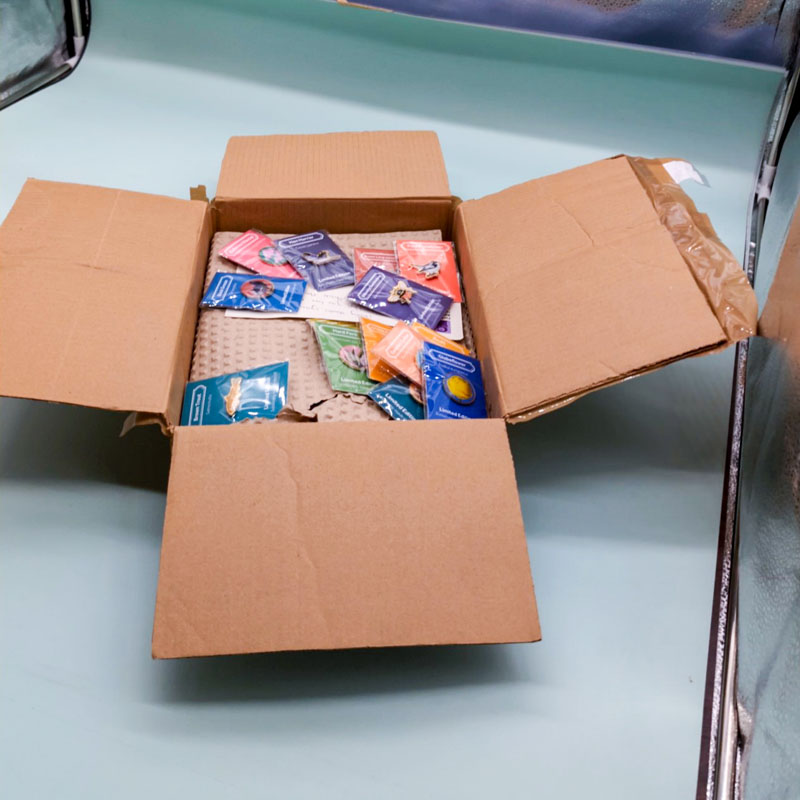
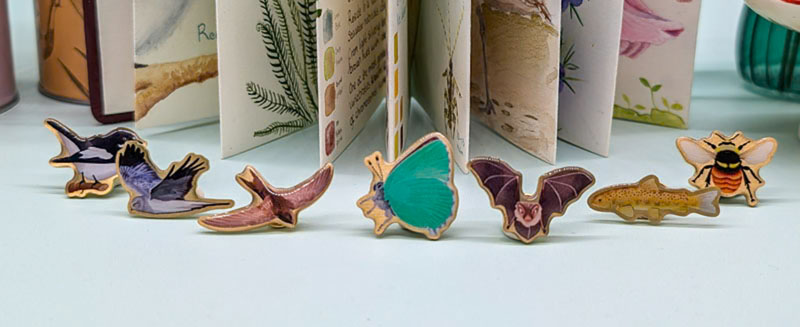
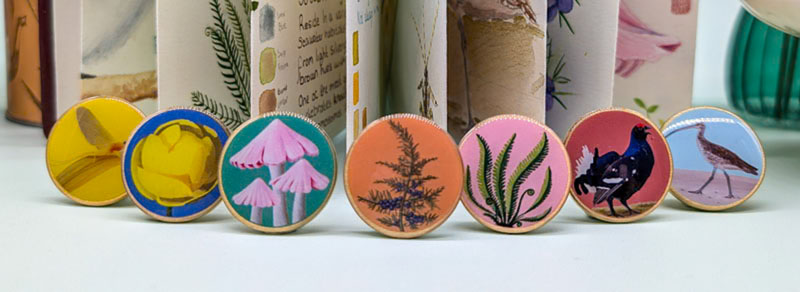
The metal pin badges from the Champion Species project I’ve been working on arrived in all their glorious, shiny perfection from the manufacturer. Opening up the box they arrived in was like opening a treasure chest of sweets.
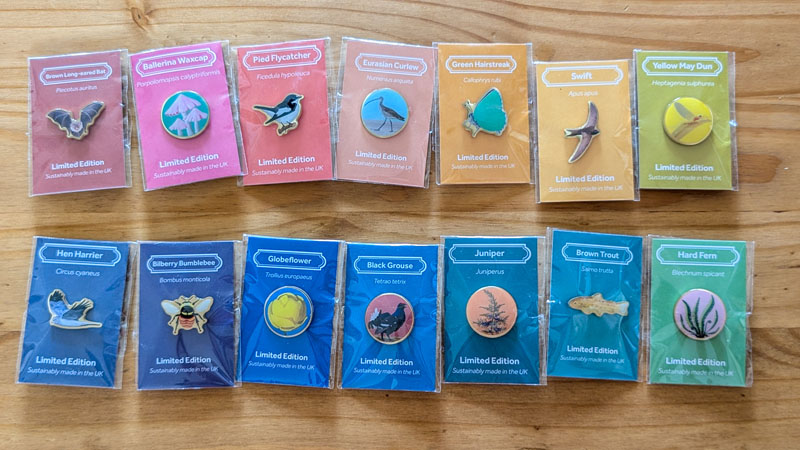
Just look at all the colours! If you are first encountering these badges on reading this, just know their origin story dates back to commissioned nature recovery work I undertook back in 2022. And then the next phase in 2024 was to develop a range of collectables of the ‘champion’ species in the form of mental pin badges. After a considerable amount of traditional artwork and digital design, I got the finished designs off to a UK manufacturer in spring this year. Then I have been waiting ever since to see them.
Their arrival meant it was time to finally dust off the lightbox for some serious product photography.
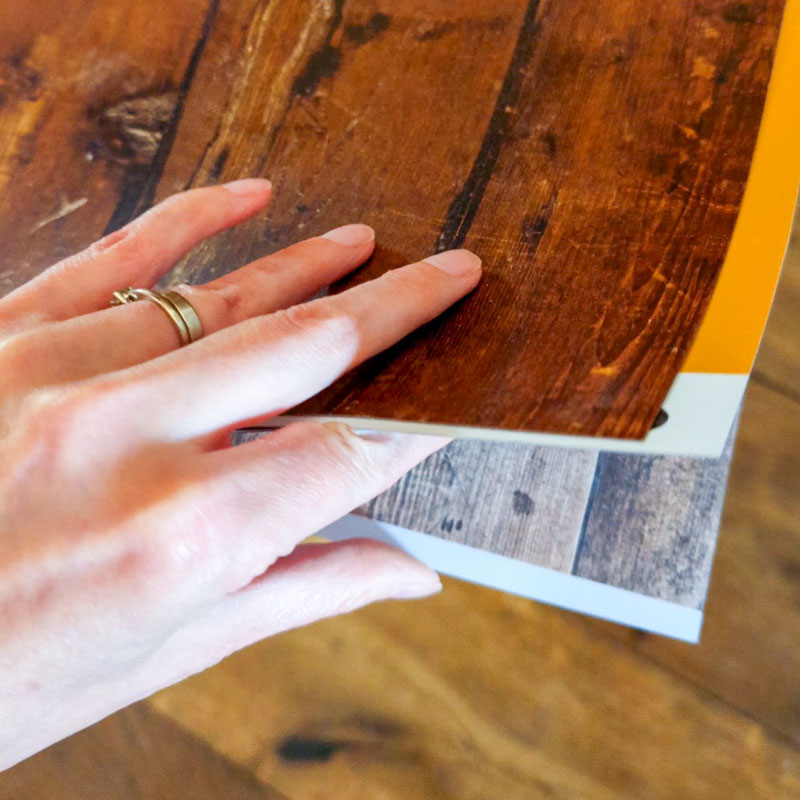
Let me tell you, photographing small (we’re talking 3cm!) metal badges that are reflecting light is an art form in itself. The patience involved in capturing the tiny details, playing with different backgrounds, and battling reflections with macro photography is one I honed in years of toymaking. It’s a dance of angles and lighting, but it is always worth it, because these collectable badges will soon be listed for sale on the Forest of Bowland website, helping to support a fantastic cause. All funds raised will be going to nature recovery in the area and the Champion Species.
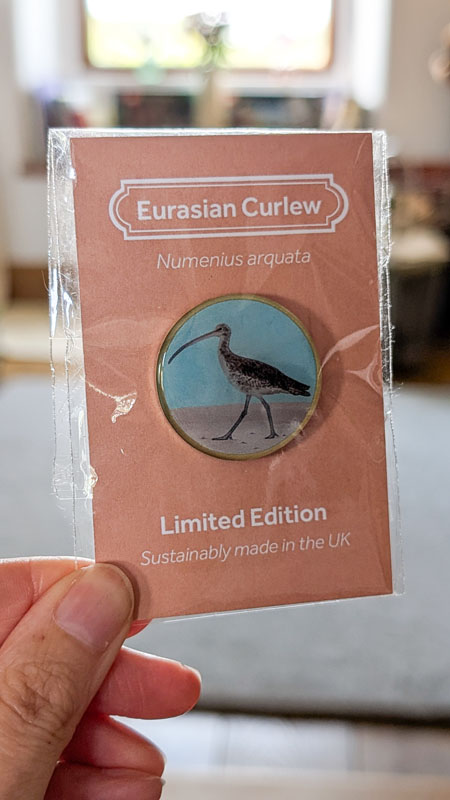
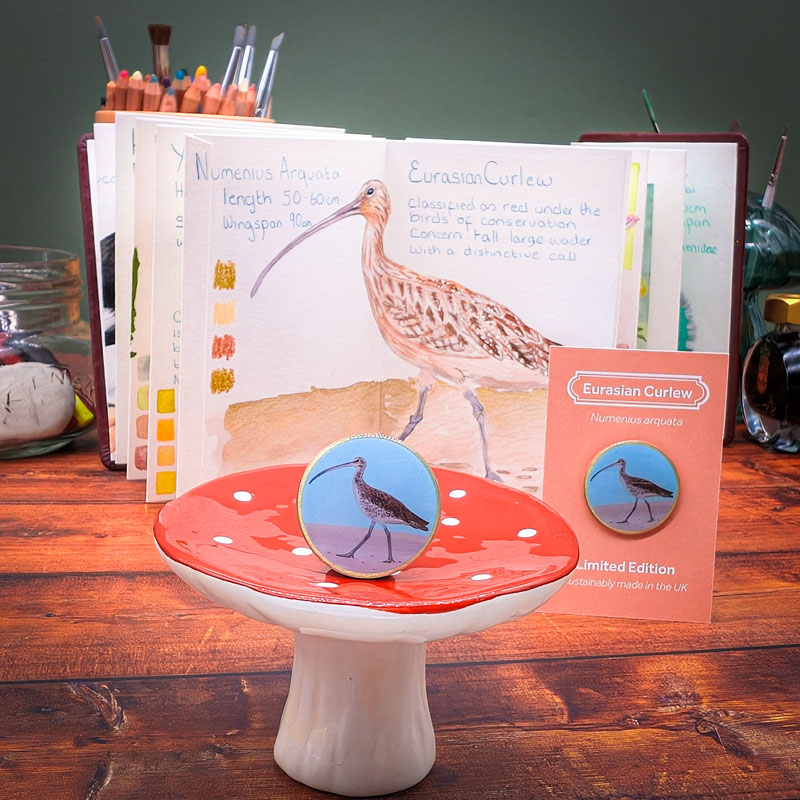
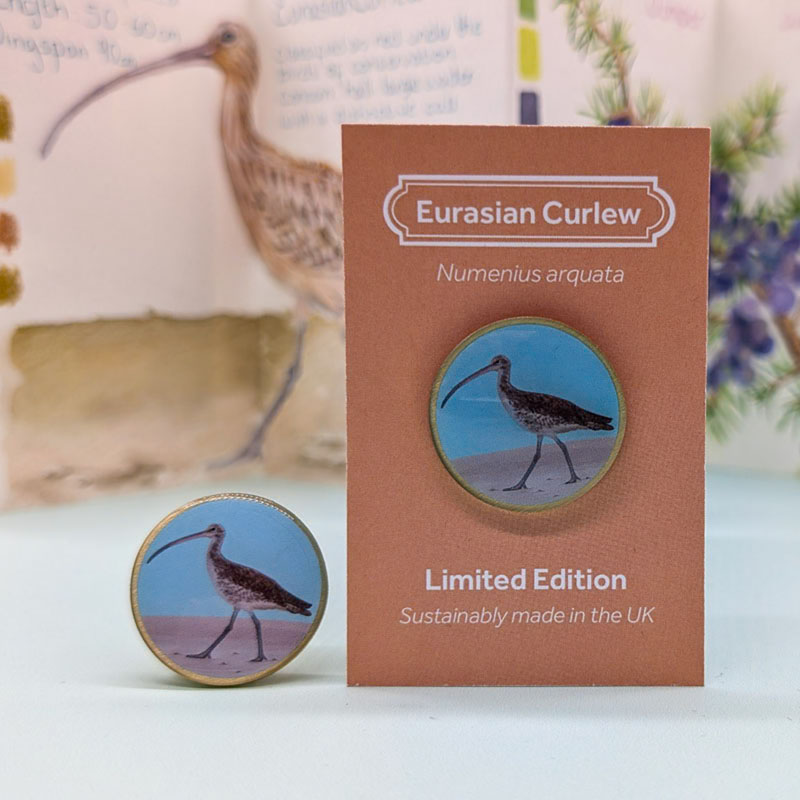
I’ve booked a meeting with a printer in the week ahead to start the next phase too. The original artwork I created to help study and design these very badges currently lives in one of my beloved accordion sketchbooks. It just sat hidden away on my shelf. So I’ve had the wonderful opportunity to be commissioned to extract these artworks and transform them into exclusive postcards, a poster series, and a limited-edition art book. It is exciting to see these pieces take on a new life beyond the pages. I’m hoping to share more about that process as it unfolds, so stay tuned for updates on that creative journey!
That’s all for my ramblings this week. Until next time!
Sources:
* Kimmerer, R. W. (2013). Braiding Sweetgrass: Indigenous Wisdom, Scientific Knowledge and the Teachings of Plants. Milkweed Editions.
* Kimmerer, R. W. (2003). Gathering Moss: A Natural and Cultural History of Mosses. Oregon State University Press.