Right then, apologies for the radio silence last week, but things got a bit… well, let’s just say Week 36 was less of a week and more of a whirlwind. A two-for-one special this week to make up for it, as we find ourselves on the cusp of something different.
The air is already getting that little bit crisper, and the evenings are drawing in, leaving us far too quickly. Autumn is on its way, and with it, my urge to look back on the long, golden days of summer.
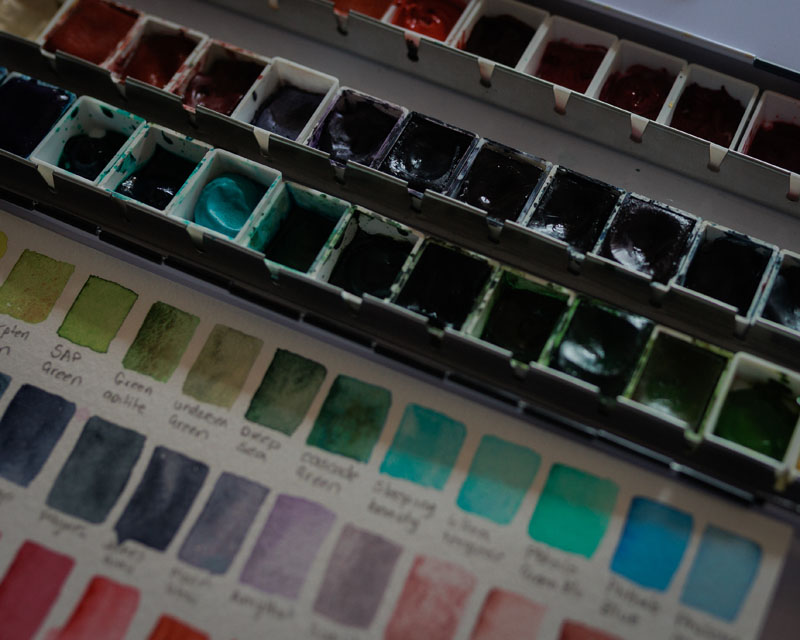
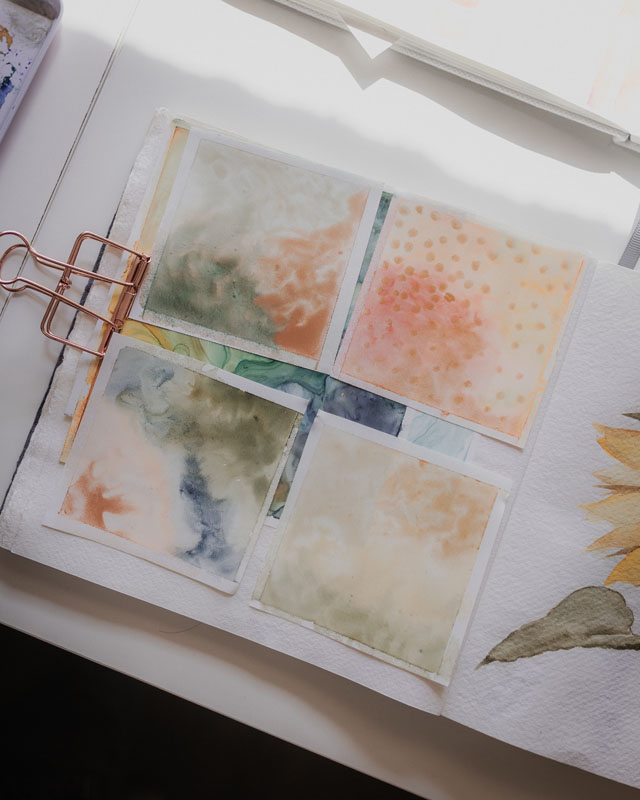
As an artist, my eye is always drawn to the details – the light, the colours, and the textures of the world around me. And the researcher in me is always interested in studying the quiet contradictions. This summer, more than any I can remember, has been a masterclass in both.
The headlines shouted about the UK’s “hottest summer on record,” with parched fields tinged with straw yellow. But the national story can often feel so far removed from the messy reality on your doorstep. That’s why I’m obsessed with documenting the places I know, the things I can see day in and day out, and the little pockets of nature I tend to directly.
In Lancashire, our bursts of rain in July were not nearly enough to quench the thirst of months of heat and sun. Our reservoir levels remain stubbornly lower than average. But here’s the thing that’s really captured my imagination: the pockets of hope. The small, deliberate acts of resilience that are quietly taking root.
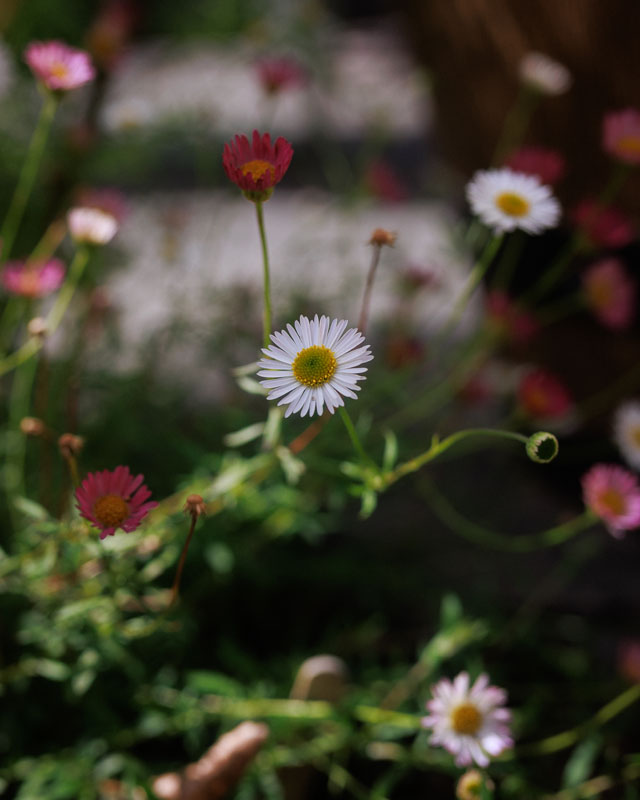
This summer, our historic peatlands became a brand new National Nature Reserve. It’s a huge step.
And there’s more. The Lancashire Local Nature Recovery Strategy (LNRS) consultation was also launched. It’s a quiet bit of policy that is absolutely vital, identifying 24 “target species” – some of the most scarce, declining, or important species in Lancashire – that need our help. They’re a fascinating bunch:
Animals
Red squirrel (Sciurus vulgaris), Atlantic salmon (Salmo salar), Hen harrier (Circus cyaneus), black-tailed godwit (Limosa limosa)
Insects
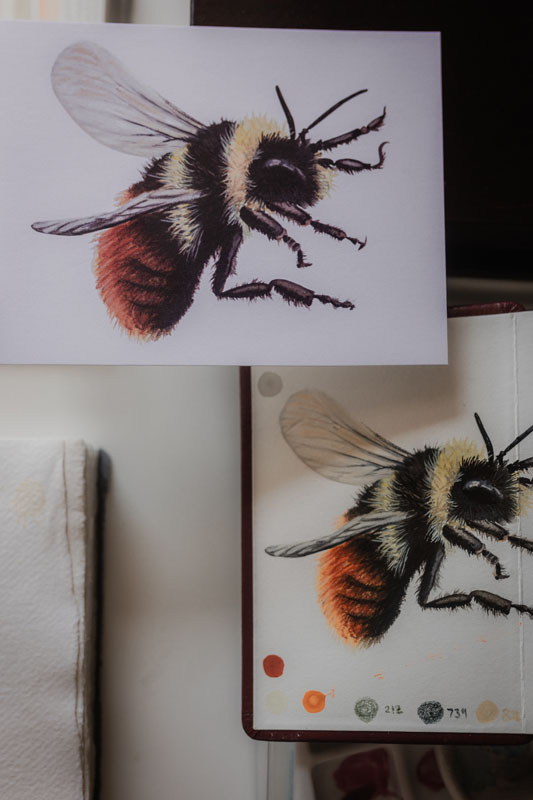
Duke of Burgundy butterfly (Hamearis lucina), high brown fritillary butterfly (Fabriciana adippe), pearl-bordered fritillary butterfly (Boloria euphrosyne), large heath butterfly (Coenonympha tullia), belted beauty moth (Lycia zonaria britannica), least minor moth (Photedes captiuncula), wall mason bee (Osmia parietina), tormentil mining-bee (Andrena tarsata), bilberry bumblebee (Bombus monticola), and red wood ant (Formica rufa).
Finally, I was moved by the Lancashire Wildlife Trust’s appeal to save three endangered insects on the “brink of extinction,” a phrase that just breaks my heart: the large heath butterfly (Coenonympha tullia), the bog bush cricket (Metrioptera brachyptera), and the white-faced darter (Leucorrhinia dubia). The appeal is for a long-term recovery programme. And that’s the crucial point. These are not quick fixes.
These policy changes, new reserves, and local strategies – these are the seeds being planted, the groundwork being laid. They’re the underpainting on a new canvas. The results won’t show up in a single season’s worth of sightings. The Big Garden Birdwatch survey recorded the lowest number of starlings ever, and they’ve dropped out of the top three most-sighted garden birds for the first time. Nearly half of all Brits haven’t seen a hedgehog in the wild in the last five years. These are the scars of decades of decline.
So, as we head into autumn, let’s take a moment to appreciate the details. The flashes of green, the surprising glimpses of wildlife, and the tireless work being done to turn the tide. The grand, national story is important, but it’s the local, personal one that will keep us grounded and inspired. It’s what we see every day that gives us hope.
Works cited
Environmental Improvement Plan annual progress report: April 2024 – GOV.UK
North West England water situation report July 2025 – GOV.UK
North-west England water situation: July 2025 summary – GOV.UK
Have your say on plans to help Lancashire’s vital habitats and species to thrive
Five reasons for UK Government to restore nature in 2025 | The Wildlife Trusts
The RSPB Big Garden Birdwatch Results 2025 – Rare Bird Alert