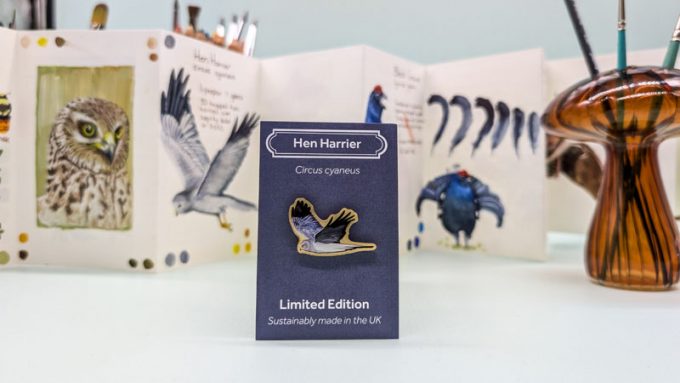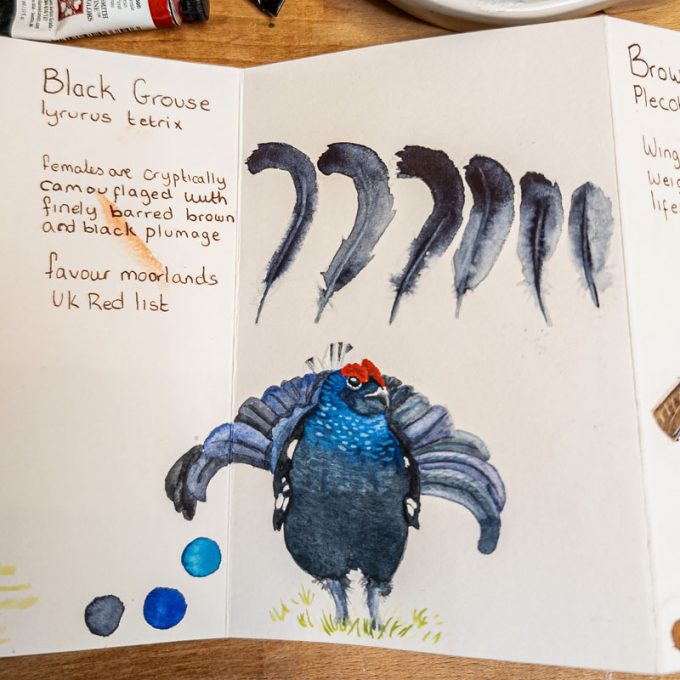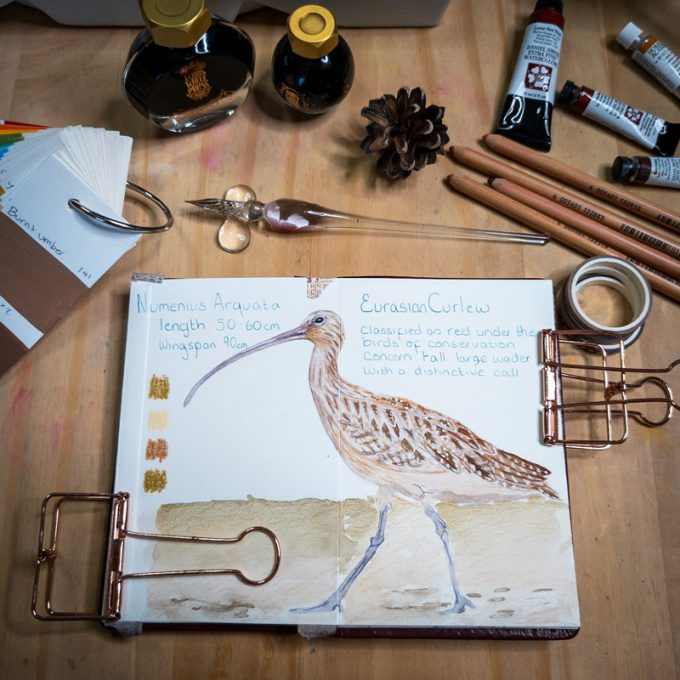
Hello everyone! A while ago (yes, in 2024!) I mentioned I wanted to embark on a blog series, a little journey dedicated to the ‘Champion Species’ of the Forest of Bowland National Landscape. And here I am, finally starting!
Let me give you a quick recap. Back in 2022, I had the incredible opportunity to be commissioned to illustrate a series of landscapes. These pieces focused on the different and internationally important habitats within the Forest of Bowland. They showed how some of these precious places look currently, and then, with an informed eye, what they could look like if a nature recovery strategy was put into action. I’ve written much more about that whole experience here.
Within those landscapes, a number of species really took centre stage. We’re talking birds, insects, mammals, and plant life – all seen as vital indicators for the overall ‘health’ of the region. Out of all these, fourteen species became the ‘Champion Species.’ As I’ve shared before, they were chosen for their rare, endangered, and truly charismatic qualities.
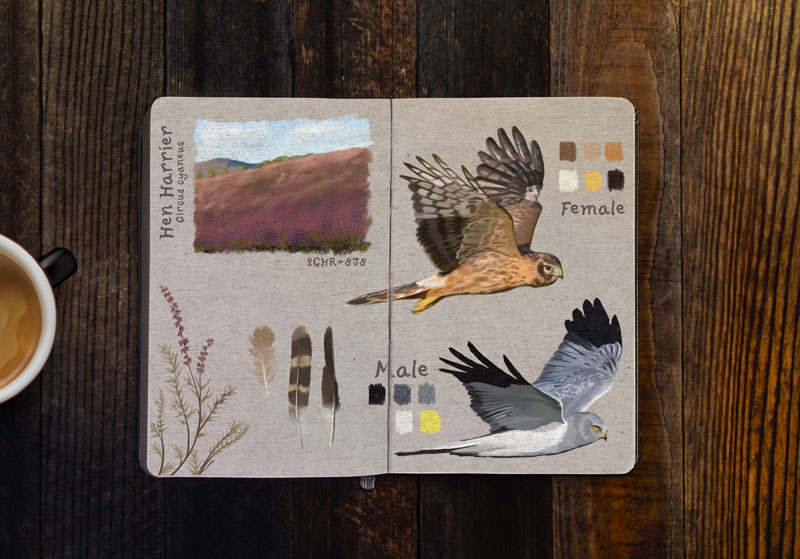
Now, when I draw and paint, whether it’s traditionally or digitally, I dedicate a lot of time to simply observing and studying my subjects. These champion species were no different. But what was special about this commission was the sheer duration of it. I got to know these particular champion species far more intimately than I normally would. I learned so much about them from various perspectives – including from a range of experts. By the time the project wrapped up, I just knew it would be wonderful to share some of what I’d learned, especially from my unique vantage point as an artist.
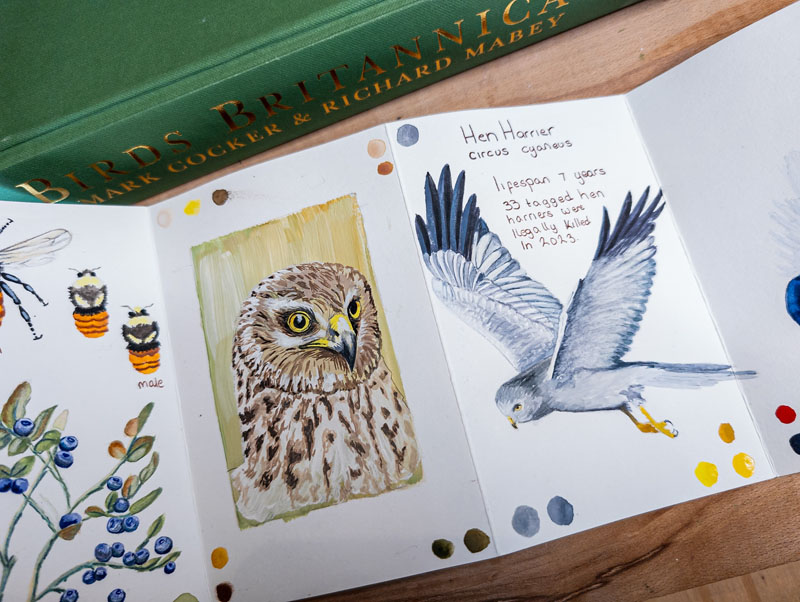
So, that is my aim today! We’re kicking off the series with our very first champion species, and arguably the one most iconically connected to the Forest of Bowland National Landscape: the Hen Harrier (Circus cyaneus).
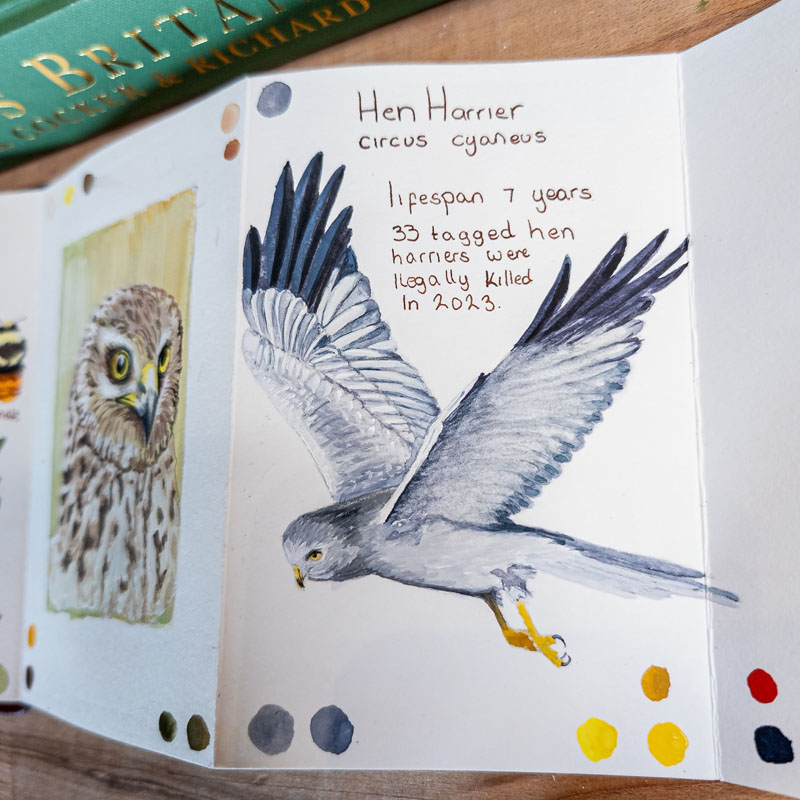
It’s a curious name, isn’t it? The ‘Hen’ part is thought to come from historical times when these birds were known to occasionally prey on domestic fowl, like chickens, in rural areas. While their diet is much broader than that, the name has stuck! The ‘Harrier’ part refers to their hunting style – they ‘harry’ or fly low over the ground, often in search of prey. I believe the Latin name, Circus cyaneus, hints at their characteristic circling flight when they’re on the hunt too.
As an artist, the Hen Harrier is a captivating and challenging subject. They’re a medium-sized bird of prey, and their flight is incredibly graceful. Size wise they measure around 43-52 cm in length, with a wingspan stretching between 97-122 cm. So they are easy to spot, if you can find them, but are a subject best worked from reference photos if you can get some good ones!
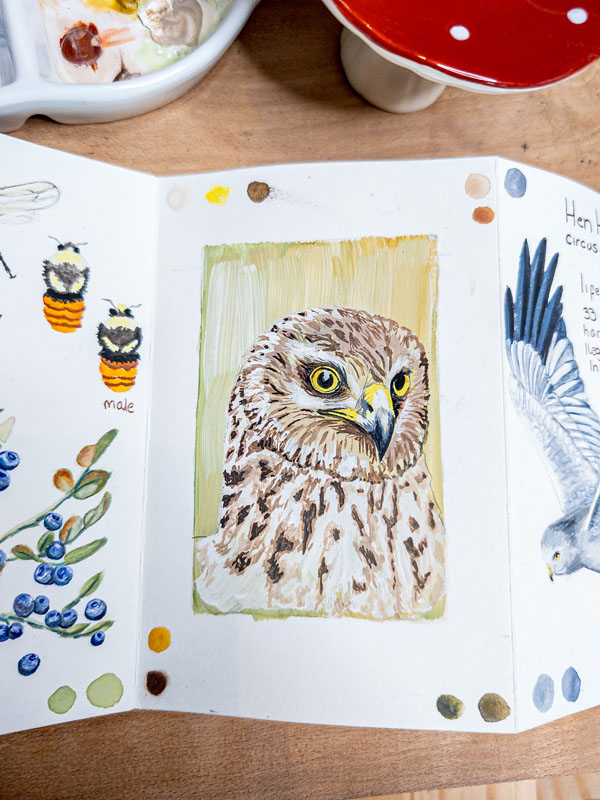
The males are much easier to draw, with their pale grey on their backs and heads, with white undercarriages and crisp black wing tips. The subtle variations in grey on the male can be much easier to render, as the light catches the different tones and textures more recognisably. The females fashion a lovely marked brown plumage all over. Their undersides are a buff colour with darker streaks. Crucially, they have a very prominent white patch on their rump, which is a fantastic identification marker. From an artistic perspective, the patterns on their feathers are just incredible but are extremely complex to draw ‘right’ and the pattern overall can make them tricky. Their faces are very similar to draw as many owl species in terms of how the feather lay and the direction of the plumage on the head.
The hen harrier is usually spotted in the Forest of Bowland’s moorland and heathland habitat. The vastness of the moorland itself, with the subtle tones of heather and grasses, often becomes as much a part of the artwork as the bird itself – framing them perfectly. The grey of the male against the heathers jewel tones is a very visually arresting sight that I’ve felt blessed to experience.
I’ve seen them moving back and forth at low level, looking for mice or voles in the heather. But the males are known to perform an incredible ‘sky dance’ in the breeding season too. You can watch a male in action here:
Sadly, I’ve learned the Hen Harrier has a long and often heartbreaking history of persecution here in the UK. Even though they are legally protected, their numbers have remained stubbornly low in many areas. It’s worrying how many satellite-tagged Hen Harriers simply ‘disappear’ in areas known for driven grouse shooting. This pattern strongly suggests ongoing illegal activity, and the RSPB’s annual ‘Birdcrime’ reports are crucial to understanding the bigger picture. The Birdcrime reports document confirms the broader picture of raptor persecution, and Hen Harriers sadly frequently feature. You can see the data between 2009 and 2023 at the RSPB website.
I’ve learned that significant efforts are underway to protect and help Hen Harrier populations recover, both in the Forest of Bowland and across the wider UK. To understand the national picture, The RSPB have a dedicated Hen Harrier life page with a great overview.
You can read more about the long term vision for the Hen Harrier in the Forest of Bowland area, by accessing the 2024 nature recovery plan
Next in the Champion species series will be the Eurasian Curlew (Numenius arquata).